

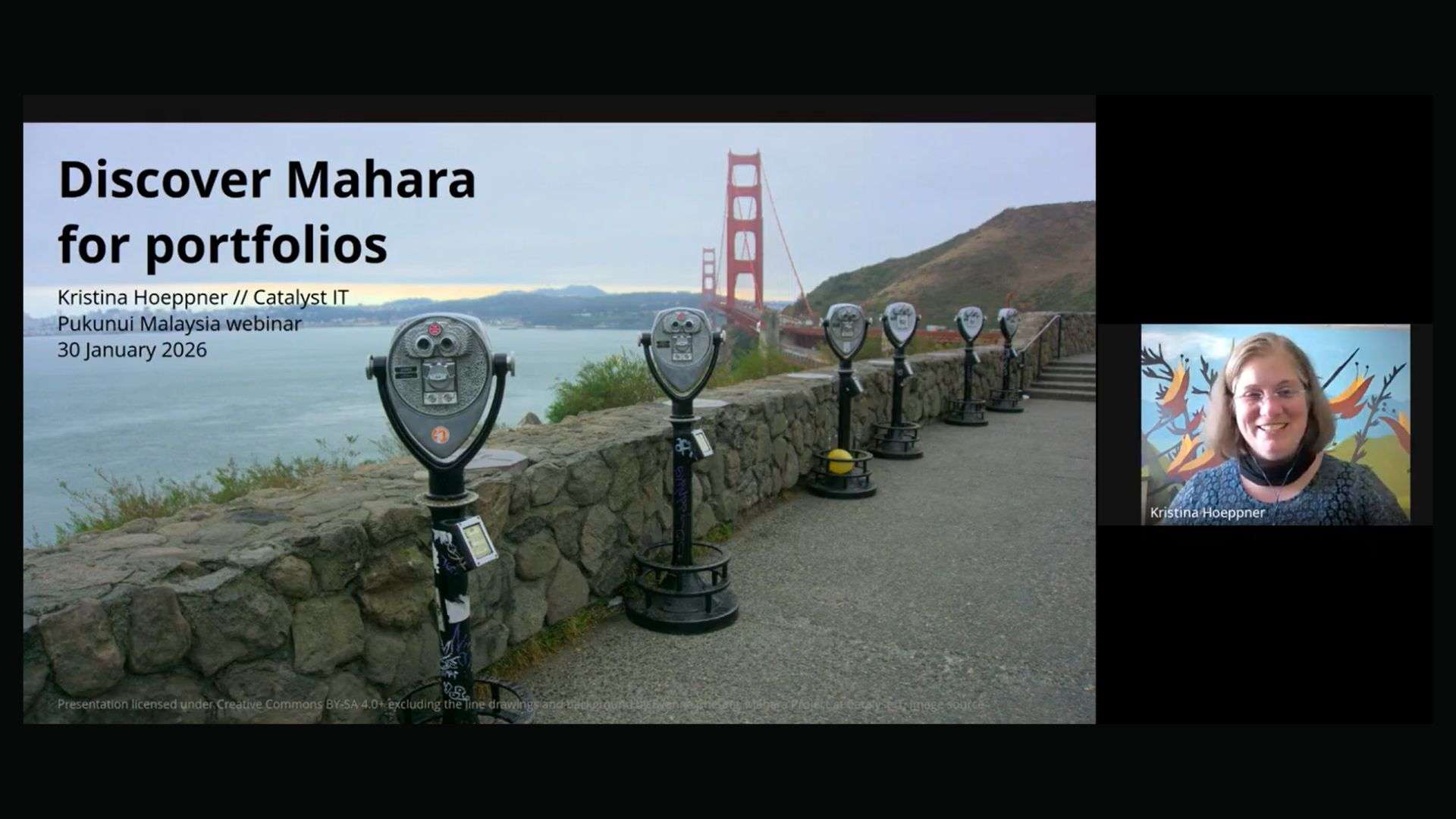
From reflective practice and authentic assessment to professional development and graduate employability, discover how ePortfolios can help learners capture, demonstrate and communicate their growth.
Rethinking How We Recognise Learning
Learning does not end when a course is completed, an assignment is submitted or an examination result is released. Throughout their educational journey, learners develop knowledge, practical skills, professional attitudes and competencies that may not always be reflected in a final grade.
The challenge for educators is finding meaningful ways for learners to document this development and demonstrate what they can do.
This is where an electronic portfolio, or ePortfolio, can make a difference.
Unlike a traditional collection of submitted assignments, an ePortfolio provides learners with a space to gather evidence, reflect on experiences, connect ideas and present their achievements. It shifts the focus from simply recording what has been completed to understanding how learning has taken place and how it can be applied.
During Pukunui’s #LearnWithPukunui session, Kristina Hoeppner, Project Lead for Mahara, explored how Mahara ePortfolio can support this approach and complement existing learning management systems such as Moodle.
Her session offered an important perspective: an ePortfolio should not just be a place to store work. It should help learners make sense of their learning journey.
From Course Completion to a Continuous Learning Journey
A Learning Management System (LMS) such as Moodle provides an organised environment for delivering courses, managing learning activities, facilitating assessments and tracking progress.
However, learning evidence can become scattered across different courses and activities. Once a course ends, learners may find it difficult to bring together the work, experiences and achievements that demonstrate their overall development.
Mahara complements this environment by giving learners greater ownership of their learning records.
Rather than being limited to a particular course, learners can collect and organise evidence over time. They can revisit previous work, add reflections, connect experiences and decide how to present their achievements to different audiences.
This creates a more continuous view of learning, extending beyond individual modules or academic semesters.
Five Ways ePortfolios Support Different Learning Needs
An ePortfolio is not limited to one purpose. During the webinar, Kristina highlighted five types of portfolios that can support different stages and contexts of learning.
1. Learning Portfolio: Encouraging Reflection
A learning portfolio allows learners to document activities, experiences and progress throughout a learning process.
The value lies not only in collecting evidence but also in reflecting on it. Learners can consider what they have learned, what challenges they encountered and how their understanding has developed.
This encourages more active participation in the learning process and helps learners become more aware of their own progress.
2. Assessment Portfolio: Connecting Evidence with Assessment
An assessment portfolio can bring together evidence of learning for assessment purposes.
When used alongside Moodle, Mahara can support assessment workflows by allowing learners to develop and submit portfolio-based work. This provides an alternative to relying exclusively on conventional assignments or examinations.
Educators can assess not only the final outcome but also the evidence and development behind it.
3. Work-Integrated Learning Portfolio: Connecting Education with Practice
For programmes that include internships, practicums or workplace learning, an ePortfolio can help learners document their experiences outside the classroom.
Learners can record activities, gather supporting evidence and reflect on how they have applied academic knowledge in real working environments.
This is particularly relevant to programmes that need to demonstrate the development of practical and professional competencies.
4. Showcase Portfolio: Presenting Skills and Achievements
A showcase portfolio allows learners to select and present their strongest work.
It can support job applications, professional profiles and career development by giving learners a way to demonstrate their capabilities through actual examples rather than relying solely on a CV or list of qualifications.
For graduates entering the workforce, this can provide a more tangible picture of what they know and what they can do.
5. Professional Certification Portfolio: Demonstrating Competency
An ePortfolio can also support professional development and certification processes.
Learners can organise evidence against competency frameworks, making it easier to demonstrate how they have developed particular skills or achieved professional requirements.
This is useful in environments where ongoing professional development and evidence of competence are important.
The 5 Cs: A Framework for Meaningful Portfolio Activity
One of the key concepts discussed during the session was Mahara’s 5 Cs: Create, Collect, Curate, Converse and Connect.
These activities provide a useful way of understanding how learners engage with their portfolios.
- Create: Develop portfolio pages and present learning experiences through written content and multimedia.
- Collect: Gather evidence such as assignments, documents, images, videos and other learning artefacts.
- Curate: Select and organise relevant evidence to communicate a particular learning journey or achievement.
- Converse: Engage in dialogue and exchange feedback with educators, peers and other audiences.
- Connect: Establish relationships between learning experiences, people, ideas and professional opportunities.
Together, these activities encourage learners to take a more active role in managing and communicating their development.
The process is not simply about uploading files. It involves making decisions about what evidence matters, what it demonstrates and how it contributes to a broader picture of learning.
Supporting Authentic and Competency-Based Assessment
Traditional assessment methods remain important, but they may not always capture the full range of competencies developed through a learning programme.
For example, a written examination may assess subject knowledge, but it may offer limited evidence of a learner’s communication skills, practical ability, teamwork or professional judgement.
An ePortfolio provides another way to demonstrate these capabilities.
Learners can combine different forms of evidence, including:
- Written reflections and reports.
- Project work and completed assignments.
- Photographs, videos and other multimedia artefacts.
- Evidence from internships and workplace activities.
- Feedback from educators, peers or supervisors.
- Documentation of professional development and skills acquisition.
When aligned with learning outcomes and competency frameworks, these artefacts can help educators evaluate learning in a more authentic context.
For institutions working towards competency-based education, this approach can also support the documentation of learning outcomes beyond individual assessment scores.
Giving Learners Ownership of Their Digital Portfolio
A significant distinction between an LMS and an ePortfolio is the level of ownership learners have over their work.
In Mahara, learners can decide how to organise and share their portfolio content. They can create pages for different purposes and control who has access to them.
During the webinar’s Q&A, Kristina discussed how portfolios can be shared with specific individuals, groups or the public. Access can also be managed through start and end dates.
This flexibility is important because not every piece of learning evidence is intended for the same audience.
A learner may want to share an assessment portfolio with a lecturer, a workplace learning record with a supervisor, or a showcase portfolio with a prospective employer.
The ability to manage these different audiences makes the portfolio more useful across academic, professional and personal development contexts.
Bringing Mahara and Moodle Together
An effective digital learning environment does not necessarily depend on one platform doing everything.
Moodle and Mahara serve complementary purposes.
Moodle provides the structured environment for course delivery, learning activities, communication and assessment. Mahara extends this experience by providing a learner-centred space for collecting evidence, reflecting on progress and presenting achievements.
Together, they can support a more connected learning ecosystem.
For example, an institution could use Moodle to deliver a course and manage its assessment activities, while Mahara provides the space for learners to develop a portfolio documenting their progress throughout the programme.
This relationship is particularly useful when learning extends beyond a single course, such as in work-integrated learning, professional development and competency-based programmes.
Moving Beyond Static Documents
An interesting point raised during the Q&A concerned the use of reflection reports.
Instead of simply uploading a completed PDF report into an LMS, Kristina highlighted the value of using Mahara templates to help learners build their portfolios progressively.
Learners can develop their work directly on portfolio pages, combining narrative text with multimedia elements such as images and videos.
This approach allows reflection to become part of the learning process rather than an activity completed only at the end.
It also provides opportunities for learners to revisit and improve their work as they gain new experiences and develop further competencies.
Is Mahara Just a Student Blogging Tool?
Mahara includes journaling and blogging features, but its purpose extends beyond publishing posts.
It supports the creation and organisation of portfolio pages, the collection of learning evidence, professional development tracking and controlled sharing.
The platform also supports collaborative portfolio work through groups, where participants can contribute to shared portfolios.
This creates opportunities for group projects and collaborative learning activities, while allowing institutions to explore portfolio-based approaches for different educational contexts.
The important consideration is not whether an ePortfolio replaces an existing learning tool. It is how the institution can use it to support learning activities that may not be fully addressed by conventional course-based systems.
Making Learning Visible Beyond the Classroom
The value of an ePortfolio becomes particularly clear when we consider what happens after learners complete their studies.
A qualification confirms that a learner has completed a programme. However, a well-developed portfolio can provide additional evidence of the knowledge, skills and experiences gained along the way.
For learners, this can support reflection, professional identity and career development.
For educators, it offers another way to understand student progress and evaluate learning outcomes.
For institutions, it creates opportunities to strengthen authentic assessment, work-integrated learning and competency-based education.
Ultimately, an ePortfolio helps connect learning experiences that might otherwise remain separated by courses, semesters or institutions.
As Kristina Hoeppner highlighted during the session, a portfolio is not simply a finished product; it is an ongoing process of telling the story of one’s learning experiences.
Watch the Webinar and Explore Mahara Further
Want to explore how Mahara ePortfolio can complement your existing LMS and support a more reflective, learner-centred approach to education?
Watch the recording of Transform Your Learning Ecosystem with Mahara, featuring Kristina Hoeppner, Project Lead for Mahara.
For institutions interested in exploring Mahara implementation, integration with Moodle or the role of ePortfolios in their learning ecosystem, the Pukunui team can help you consider the options.
You can also find out more about Mahara through its community’s monthly Ask Me Anything sessions.
Contact Pukunui Malaysia: hello.my@pukunui.com
#LearnWithPukunui is Pukunui’s webinar series, bringing together educators, learning designers, technology partners and practitioners to explore ideas, tools and approaches that support meaningful digital learning.
